Back to catalogue

Hyundai

IONIQ 9

1 variant in the OpenEV dataset

Choose variant
Open comparison
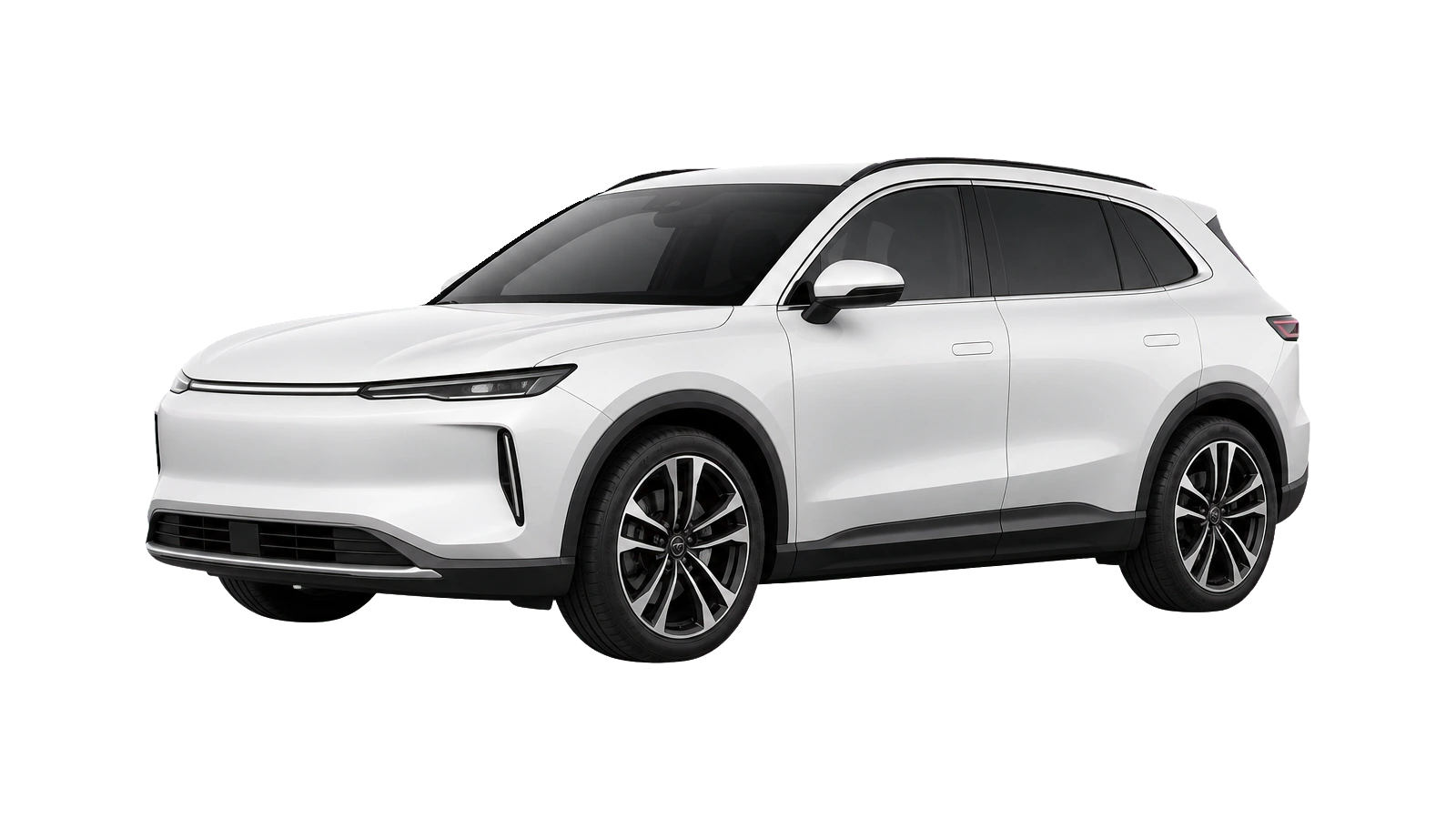
Illustrative body-type visual, not an exact model image.Representative suv body-type visual, not an exact vehicle image
A controlled-test driving distance. It is best used to compare cars tested on the same cycle, such as WLTP or EPA.
Official range620 km WLTP
The battery energy available for driving. It is lower than gross battery capacity because a small buffer protects the pack.
Usable battery99.5 kWh
The peak rapid-charging power the car can accept. The real rate changes as the battery fills and with battery temperature.
DC charging350 kW
The official acceleration time from a standstill to 100 km/h. A lower number means faster acceleration.
0–100 km/h5.0 s

Selected variant

Specifications

Missing values are never estimated

Battery & rangeBattery capacity, official test-cycle range and energy consumption. Range results are only directly comparable when they use the same test cycle.

Usable battery
99.5 kWh
Gross battery
110.3 kWh
Official range
620 km WLTP
Consumption
Not available

ChargingThe car’s stated maximum AC and DC charging rates. Actual charging speed varies with battery level, temperature and charger conditions.

Maximum AC
11.0 kW
AC phases
1
Maximum DC
350 kW

PerformanceOutput, acceleration, top speed and drive layout. These figures describe capability, not everyday efficiency.

Power
283 kW
0–100 km/h
5.0 s
Top speed
200 km/h
Drivetrain
Awd

PracticalityThe body style and cabin or luggage measures that help indicate how well the car fits everyday use.

Body type
Suv
Seats
7
Boot capacity
620 L

DimensionsExternal vehicle measurements. Use them to check parking, garage and passenger-space requirements.

Length
5100 mm
Width
1980 mm
Height
1750 mm
Wheelbase
3100 mm

Trace the data

Sources for this variant

1 source record supplied by OpenEV Data.